
Contents of This Post:
- What Is PCOS?
- Why the Name PCOS Was Problematic: The Need for Change
- What Does PMOS Stand For?
- Who Changed the Name and Why?
- Is PMOS a New Disease?
- Why PMOS Reflects the Direction of Modern Medical Science
- Supporting Women’s Health Beyond the Diagnosis: A Comprehensive PMOS-Focused Portfolio from the House of Best Biotech: Dydrobest division
Why the Medical World Has Rewritten the Narrative?
For years, millions of women around the world have heard the term PCOS, often during a visit to a gynecologist, fertility specialist, endocrinologist, or dermatologist. The condition has become one of the most commonly diagnosed hormonal disorders among women of reproductive age. Yet despite its prevalence, confusion has continued to surround its name, its symptoms, and even its impact on overall health.
Today, that conversation is changing.
Following a global effort involving medical experts, researchers, healthcare organizations, and women living with the condition, Polycystic Ovary Syndrome (PCOS) has been renamed Polyendocrine Metabolic Ovarian Syndrome (PMOS).
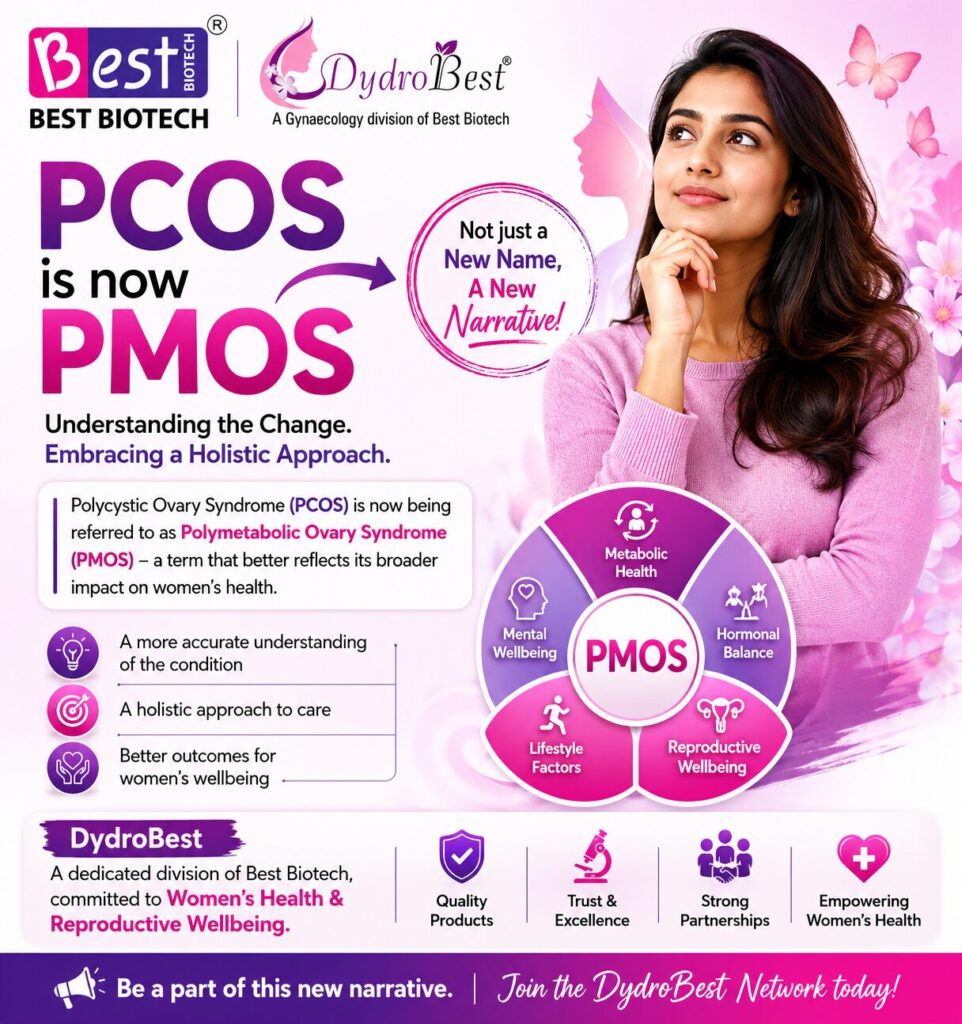
At first glance, this may seem like a simple change in terminology. However, the shift represents something much bigger. It reflects a deeper scientific understanding of a condition that extends far beyond the ovaries.
For decades, the name PCOS focused attention on one part of the body—the ovaries. However, doctors and researchers have long known that the condition affects much more than reproductive health. It influences hormones, metabolism, insulin sensitivity, body weight, mental wellbeing, cardiovascular health, and long-term disease risk. In many women, these broader health concerns create a greater day-to-day impact than the ovarian symptoms themselves.
The new name, PMOS, acknowledges this reality. It recognizes the condition as a complex whole-body disorder rather than a problem confined to the reproductive system.
The change also carries an important message for patients. Many women have struggled with delayed diagnoses, misunderstandings, and stigma because the term “polycystic ovary syndrome” often failed to describe what they actually experienced. Some women diagnosed with PCOS never developed ovarian cysts. Others faced metabolic challenges, insulin resistance, anxiety, or weight-related concerns that the name did not adequately reflect.
By adopting the term PMOS, the medical community aims to create a more accurate, inclusive, and patient-centred understanding of the condition.
What Is PCOS?
Before we understand why PCOS has become PMOS, we first need to understand what PCOS actually is.
Polycystic Ovary Syndrome (PCOS) is one of the most common hormonal and metabolic disorders affecting women of reproductive age. According to global estimates, it affects approximately 1 in 8 women, making it a significant public health concern worldwide.
Despite its prevalence, PCOS remains widely misunderstood. Many people associate it only with irregular periods or fertility challenges. In reality, the condition can affect multiple systems throughout the body and influence a woman’s health in ways that extend far beyond reproduction.
At its core, PCOS involves an imbalance in hormones that regulate various bodily functions. These hormonal changes can interfere with normal ovulation, affect metabolism, and contribute to a wide range of symptoms that vary from one woman to another.
Some women may experience only mild symptoms, while others may face more significant challenges that affect their daily lives.
Common Signs and Symptoms of PCOS
Women with PCOS may experience:
- Irregular or missed menstrual periods
- Difficulty with ovulation
- Challenges in conceiving
- Excess facial or body hair growth (hirsutism)
- Acne or oily skin
- Hair thinning or hair loss on the scalp
- Weight gain or difficulty losing weight
- Darkening of skin folds, particularly around the neck or underarms
- Fatigue and low energy levels
- Mood changes, anxiety, or depression
Not every woman with PCOS experiences the same symptoms. In fact, two women with the condition may have completely different experiences. One woman may primarily struggle with irregular periods, while another may face insulin resistance and weight-related concerns despite having relatively regular menstrual cycles.
The Hormonal Connection
Hormones act as the body’s chemical messengers. They help regulate menstrual cycles, metabolism, growth, mood, and many other essential functions.
In PCOS, several hormones can become dysregulated, including:
- Androgens (often called “male hormones,” although women naturally produce them too).
- Insulin, the hormone responsible for regulating blood sugar.
- Reproductive hormones that control ovulation and menstrual cycles.
When these hormonal systems fall out of balance, the ovaries may not release eggs regularly. This disruption can lead to irregular periods and fertility challenges. At the same time, changes in insulin and androgen levels can contribute to symptoms such as acne, unwanted hair growth, weight gain, and metabolic complications.
PCOS Is More Than a Reproductive Disorder
For many years, healthcare conversations around PCOS focused primarily on fertility and ovarian health. While these aspects remain important, researchers now understand that PCOS affects much more than the reproductive system.
Women with PCOS often face an increased risk of:
- Insulin resistance
- Prediabetes and Type 2 diabetes
- Elevated cholesterol levels
- High blood pressure
- Cardiovascular disease
- Sleep disturbances
- Anxiety and depression
This broader impact explains why many experts began questioning whether the name “Polycystic Ovary Syndrome” truly reflected the full nature of the condition. As scientific understanding evolved, it became increasingly clear that PCOS is not simply an ovarian disorder. It is a complex condition involving hormonal, metabolic, reproductive, and psychological health. That realization ultimately paved the way for one of the most significant changes in women’s health terminology—the transition from PCOS to PMOS.
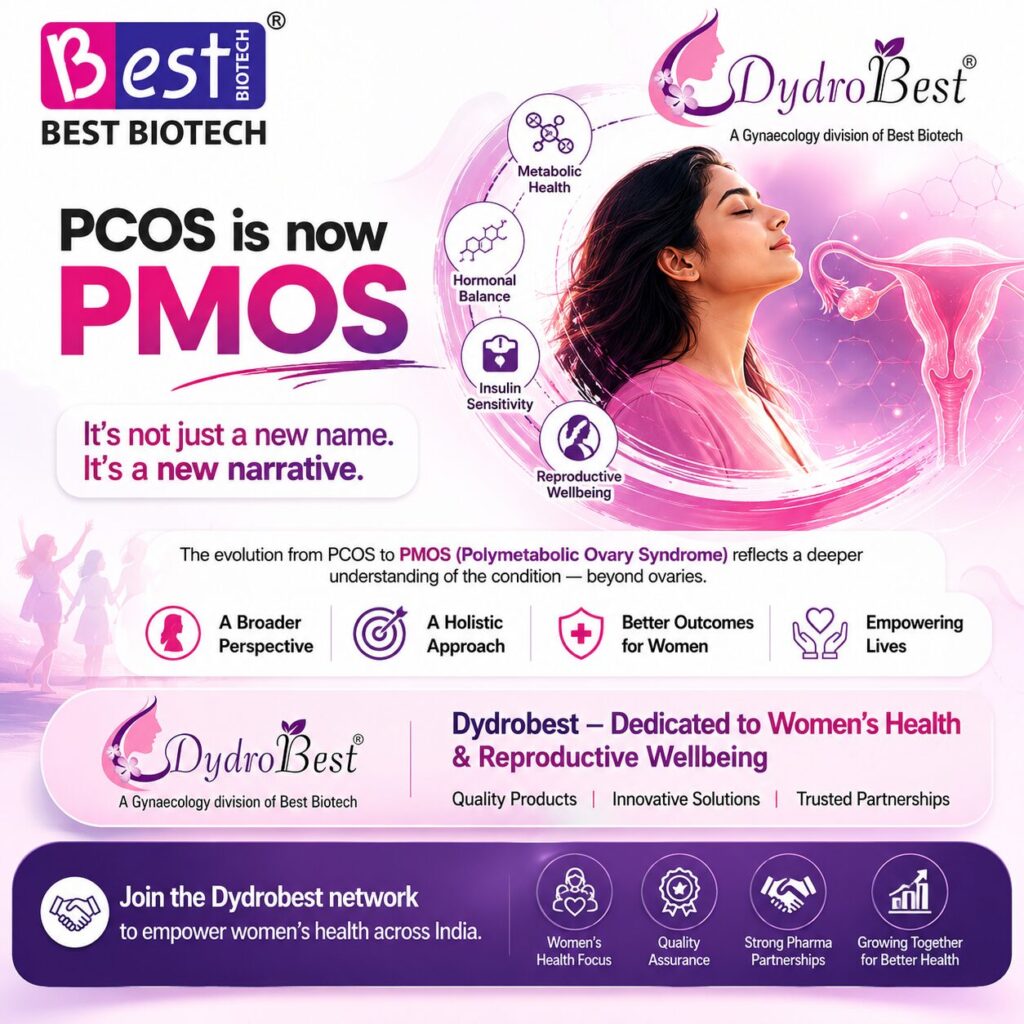
Why the Name PCOS Was Problematic: The Need for Change
Medical terminology plays an important role in healthcare. A name helps patients understand their condition, guides conversations between healthcare professionals, and often shapes public perception.
For many years, experts expressed concerns that the term Polycystic Ovary Syndrome (PCOS) did not accurately describe the condition. As research advanced, the gap between the name and the science became increasingly difficult to ignore.
The issue was not that the term PCOS was entirely wrong. The problem was that it focused attention on only one aspect of a much larger condition.
The “Polycystic” Misconception
Firstly, one of the biggest sources of confusion stemmed from the word polycystic.
Many people assumed that PCOS meant a woman had multiple ovarian cysts. In reality, the small structures often seen on ultrasound are not true ovarian cysts. They are immature follicles that have not completed normal ovulation. Even more importantly, not every woman diagnosed with PCOS has these characteristic ovarian findings.
As a result, many women found themselves asking:
“How can I have PCOS if I don’t have cysts?” Or, “Is having a cyst means having cancer?” Or, “Will I not be able to get pregnant with PCOS?”
Sometimes, when PCOS was a diagnosis for unmarried women, the stigma came along because of an associated myth between PCOS and infertility. The questions like, “Will I not be able to become a mother?” “Will I get a partner who can understand my condition? “Can I even get married with this condition?”
The truth is that women with PCOS, now PMOS have unpredictable ovulation, meaning it is difficult to know the fertile window. So, it may be possible that a woman faces difficulty in natural conception or getting properly matured ovum when trying to conceive. But, PMOS is not equivalent to infertility. A woman with PCOS can get pregnant naturally is an established truth.
So, this misunderstanding created confusion among patients and sometimes even among healthcare providers unfamiliar with the condition.
The “Ovary-Only” Problem
Next, the second challenge involved the word ovary.
The name suggested that the condition existed only within the reproductive system. However, decades of research have shown that PCOS affects much more than ovarian function.
Many women experience:
- Insulin resistance
- Weight management challenges
- Increased risk of Type 2 diabetes
- Cholesterol abnormalities
- Cardiovascular risk factors
- Mental health concerns such as anxiety and depression
In some cases, these metabolic and psychological effects have a greater impact on quality of life than reproductive symptoms. Yet the name PCOS directed attention almost exclusively toward the ovaries. So, this narrow focus often prevented patients from understanding the full scope of their condition and the importance of managing their long-term health.
A Name That Didn’t Reflect the Patient Experience
Perhaps the most significant criticism of the term PCOS came from women living with the condition themselves. Many patients felt that the name failed to capture what they experienced every day.
A woman struggling with insulin resistance, fatigue, weight gain, acne, anxiety, or metabolic complications may not identify her challenges primarily as an “ovarian problem.” The name often left patients feeling that important aspects of their health remained overlooked.
The Impact on Diagnosis
Finally, the limitations of the name also contributed to diagnostic challenges.
Women frequently encountered statements such as:
- “You don’t have ovarian cysts, so you don’t have PCOS.”
- “Your fertility is fine, so your condition isn’t serious.”
- “You only need treatment if you’re trying to become pregnant.”
These misconceptions sometimes delayed diagnosis, fragmented care, and minimized symptoms that deserved medical attention.
More Than a Semantic Debate
For years, discussions about renaming PCOS may have appeared to be a debate over terminology. However, researchers increasingly recognized that the issue went much deeper. Firstly, the name influenced how patients understood their health. Secondly, it influenced how clinicians communicated risk. Then, it influenced how society viewed the condition. And, finally it influenced which aspects of the disorder received attention.
As scientific knowledge continued to evolve, many experts reached the same conclusion: the name PCOS no longer reflected what medicine had learned about the condition. That realization ultimately sparked a global effort to find terminology that could better represent its endocrine, metabolic, reproductive, and psychological dimensions—an effort that led to the introduction of PMOS.
What Does PMOS Stand For?
The new term PMOS stands for Polyendocrine Metabolic Ovarian Syndrome.
Each word has been chosen carefully to reflect decades of scientific research and a deeper understanding of how the condition affects the body. The new name, PMOS highlights the multiple biological systems involved in the condition.
Let’s break it down.
Poly: A Condition With Many Dimensions
Firstly, the prefix poly means “many.” Women with PMOS often experience a combination of symptoms that can affect different aspects of health. The condition does not follow a single pattern, nor does it look the same in every individual. So, the word poly acknowledges that this is a multifaceted condition with diverse presentations rather than a single, uniform disorder.
Endocrine: Recognizing the Hormonal Foundation
Secondly, the term endocrine refers to the body’s hormone-producing system. Hormones help regulate nearly every major bodily function, including:
- Menstrual cycles
- Ovulation
- Growth and development
- Metabolism
- Mood and emotional wellbeing
- Blood sugar regulation
And hormonal imbalance lies at the heart of PMOS. Many women experience elevated androgen levels, disruptions in ovulation-related hormones, and changes in insulin signalling that affect the body’s normal functioning. So, by including the word endocrine, the new name recognizes that hormonal dysregulation drives many of the symptoms associated with the condition.
Metabolic: Bringing an Overlooked Reality to the Forefront
Next, one of the most significant additions to the new name is the word metabolic. Metabolism refers to the body’s processes for converting food into energy and regulating essential functions such as:
- Blood sugar control
- Insulin sensitivity
- Fat storage
- Energy utilization
- Weight regulation
Besides, many women with PMOS experience insulin resistance, a condition in which the body’s cells become less responsive to insulin. Over time, insulin resistance can contribute to:
- Weight gain
- Difficulty losing weight
- Increased hunger and cravings
- Prediabetes
- Type 2 diabetes
- Cardiovascular risk factors
So, by incorporating the word metabolic, PMOS highlights a critical aspect of the condition that affects long-term health outcomes and often requires ongoing management.
Ovarian: The Reproductive Component Still Matters
Although the name has changed, ovarian health remains an important part of the condition.
The term ovarian recognizes that PMOS can affect:
- Ovulation
- Menstrual regularity
- Fertility
- Reproductive hormone production
So, women may experience irregular periods, infrequent ovulation, or challenges with conception.
Syndrome: A Collection of Related Features
Finally, the final word, syndrome, remains unchanged.
A syndrome refers to a group of signs, symptoms, and biological changes that tend to occur together.
PMOS does not present in exactly the same way for every woman. Instead, it exists along a spectrum with every woman experiencing some or the other manifestation of the disease rather than all the symptoms occurring together in a woman. So, the term syndrome acknowledges this diversity while recognizing the common biological mechanisms that connect these experiences.
Why the New Name Matters?
When viewed together, the words Polyendocrine Metabolic Ovarian Syndrome tell a much more complete story than Polycystic Ovary Syndrome ever could. Most importantly, PMOS shifts the focus away from a single ovarian feature and toward the broader health picture. So, the change represents an important step toward improving awareness, reducing misconceptions, and encouraging a more comprehensive approach to diagnosis and care.
Who Changed the Name and Why?
When people first hear that PCOS is now PMOS, one of the most common questions is:
“Who decided to change the name?”
The answer is both simple and significant.
This was not the decision of a single researcher, hospital, pharmaceutical company, or medical organization. Instead, the change emerged from one of the most extensive international consensus efforts ever undertaken for a women’s health condition.
A Global Movement Years in the Making
For decades, healthcare professionals, researchers, and patient advocacy groups expressed concerns about the term Polycystic Ovary Syndrome. As scientific understanding evolved, experts increasingly recognized that the name no longer reflected the true nature of the condition. The issue extended beyond scientific accuracy. The name influenced diagnosis, patient awareness, treatment priorities, public understanding, and even research funding.
So, recognizing these challenges, leading international organizations initiated a comprehensive review process to determine whether a more appropriate name could better represent the condition.
Bringing Experts and Patients Together
One of the most remarkable aspects of the renaming initiative was its emphasis on collaboration.
The process included contributions from:
- Endocrinologists
- Gynecologists
- Reproductive medicine specialists
- Researchers
- Primary care physicians
- Allied healthcare professionals
- Patient advocacy groups
- Women living with the condition
This approach ensured that the discussion extended beyond academic medicine. After all, the people most affected by the name are the millions of women who live with the condition every day. So, patient experiences played a critical role in shaping the conversation and highlighting the limitations of the term PCOS.
The Leadership Behind the Initiative
Among the leading voices behind the international effort was Professor Helena Teede and her colleagues, who have spent years advancing research, awareness, and evidence-based guidelines related to the condition. Experts from multiple countries worked together to evaluate proposed names and determine which terminology most accurately reflected current scientific knowledge. The process involved extensive surveys, consultations, expert reviews, and international discussions before arriving at a consensus.
The result was the recommendation to adopt Polyendocrine Metabolic Ovarian Syndrome (PMOS) as the new name in in May 2026. So, the new name is the result of a 14-year, global consensus process led by international medical organizations, including the Endocrine Society, the American Society for Reproductive Medicine (ASRM), and the Monash Centre for Health Research and Implementation.
More Than Scientific Accuracy
The renaming effort also aimed to address the human side of the condition. So, by adopting PMOS, experts hoped to create language that better reflects the realities patients face every day.
Name changes in medicine are relatively uncommon, especially for conditions that healthcare professionals have recognized for decades. The transition from PCOS to PMOS therefore represents more than a terminology update. It reflects a broader shift in how medicine understands, discusses, and approaches the condition.
Is PMOS a New Disease?
The short answer is no.
PMOS is not a newly discovered disease, nor does it replace decades of research conducted under the term PCOS. Women who have previously received a diagnosis of PCOS do not suddenly have a different condition.
What has changed is our understanding of the disorder and the language used to describe it.
Think of it this way: sometimes science advances faster than the terminology used to explain it. As researchers learn more about a condition, they occasionally discover that the existing name no longer reflects what they know to be true. When that happens, updating the terminology can help align medical language with scientific evidence.
That is exactly what has happened here.
The Condition Remains the Same
Women diagnosed with PCOS in the past do not need to undergo new testing simply because the terminology has changed.
The core features that healthcare professionals evaluate remain largely unchanged and may include:
- Menstrual irregularities
- Ovulatory dysfunction
- Elevated androgen levels
- Characteristic ovarian findings on ultrasound
- Metabolic abnormalities such as insulin resistance
Similarly, many of the treatment approaches that doctors currently use continue to play an important role in patient care. Lifestyle interventions, nutritional guidance, hormonal management, fertility support, metabolic monitoring, and long-term health assessments remain central components of management.
A New Lens, Not a New Diagnosis
What PMOS offers is a broader clinical lens.
Under the older terminology, discussions often began and ended with reproductive symptoms. Today, healthcare professionals increasingly recognize that long-term health outcomes deserve equal attention.
For example, when evaluating a woman with PMOS, clinicians may also consider:
- Blood sugar regulation
- Insulin sensitivity
- Cardiometabolic health
- Weight-related concerns
- Mental wellbeing
- Sleep quality
- Long-term disease prevention
Although these factors have always been important, but the difference is that the new terminology encourages a more comprehensive view from the very beginning.
For patients, understanding that PMOS is not a new disease can prevent unnecessary anxiety. A name change does not mean previous diagnoses were incorrect. It does not mean years of research have become obsolete. Also, it does not mean established treatments no longer work.
Instead, the change acknowledges that healthcare professionals now possess a more complete understanding of the condition than they did when the term PCOS first entered medical practice.
An Evolution in Understanding
Medicine constantly evolves.
Doctors once believed that stomach ulcers resulted primarily from stress before discovering the role of Helicobacter pylori. Similarly, diabetes classifications have evolved as scientists gained deeper insight into the disease. Many other conditions have undergone similar shifts as knowledge expanded.
The transition from PCOS to PMOS reflects the same process. The condition itself has not changed. The women living with it have not changed. But what has changed is the medical community’s ability to describe the condition more accurately and more completely.
And that improved understanding has important implications for diagnosis, patient education, long-term health monitoring, and future research.
Why PMOS Reflects the Direction of Modern Medical Science
One of the most remarkable developments in healthcare over the past two decades has been the move away from viewing diseases as isolated problems affecting a single organ.
Researchers increasingly understand that many chronic conditions arise from complex interactions between hormones, metabolism, genetics, immune responses, lifestyle factors, and environmental influences. As a result, modern medicine has begun shifting from an organ-based approach to a systems-based approach.
The transition from PCOS to PMOS reflects this broader scientific evolution.
From Symptom Management to Risk Identification
Historically, healthcare providers often focused on the symptoms that brought a woman into the clinic.
- A patient with irregular periods might seek help from a gynecologist.
- Or a woman with acne could visit a dermatologist.
- Someone struggling with weight gain might consult a nutrition specialist.
- Similarly, a patient facing fertility challenges would likely see a reproductive medicine expert.
While each concern deserved attention, researchers gradually recognized that these seemingly separate issues often shared common biological pathways. Today, scientists increasingly focus on identifying the underlying mechanisms that connect symptoms rather than treating each concern in isolation.
So, this shift allows healthcare professionals to identify risks earlier and develop more comprehensive management strategies.
The Growing Importance of Metabolic Health
Over the last several years, metabolic health has emerged as one of the most important topics in preventive medicine. Researchers now understand that metabolic dysfunction can influence numerous health outcomes, including cardiovascular disease, diabetes, fatty liver disease, and reproductive health.
This growing body of evidence has encouraged clinicians to pay closer attention to markers such as:
- Blood glucose regulation
- Insulin sensitivity
- Lipid profiles
- Waist circumference
- Cardiovascular risk indicators
For women with PMOS, these assessments can provide valuable insights that extend far beyond symptom control. So, rather than focusing solely on what is happening today, healthcare providers increasingly consider what may affect a woman’s health ten or twenty years from now.
A Greater Focus on Prevention
Now, modern medicine places tremendous value on prevention. The goal is no longer simply to treat disease after complications develop. Instead, clinicians aim to identify risks early and help patients make informed decisions that support long-term wellbeing.
This approach has particular relevance in PMOS. A woman may initially seek care for menstrual irregularities in her twenties, yet her healthcare journey may also involve discussions about metabolic health, cardiovascular wellness, nutrition, physical activity, sleep quality, and healthy aging. So, the broader perspective encouraged by the PMOS framework aligns naturally with this preventive model of care.
Recognizing the Individual, Not Just the Diagnosis
Another important trend in modern healthcare involves personalization. Researchers increasingly acknowledge that patients with the same diagnosis can experience very different symptoms, challenges, and health outcomes. This concept has given rise to more individualized approaches to medicine.
Rather than assuming every patient follows the same pathway, clinicians now strive to understand the unique factors that influence each person’s health. So, this patient-centered approach has become a cornerstone of contemporary medical practice.
Looking Beyond the Clinic Visit
The scientific conversation surrounding PMOS also reflects a broader shift toward lifelong health management. Healthcare providers increasingly recognize that many conditions require ongoing monitoring rather than episodic treatment.
For women living with PMOS, health considerations may evolve across different stages of life, including:
- Adolescence
- Reproductive years
- Pregnancy planning
- Postpartum health
- Perimenopause
- Menopause
Understanding these transitions allows healthcare professionals to provide support that adapts to changing needs over time.
Ultimately, PMOS reflects more than advances in women’s health research. It mirrors a larger transformation occurring throughout medicine.
The Missing Piece: Understanding Insulin Resistance in PMOS
Ask ten women what they know about PCOS, and many will mention irregular periods, weight gain, acne, or fertility concerns.
Ask healthcare professionals what lies beneath many of these symptoms, and one term frequently enters the conversation:
Insulin resistance.
Researchers recognize that insulin resistance plays a central role in many women with PMOS and may influence several aspects of the disorder. Understanding this connection can help explain why seemingly unrelated symptoms often occur together.
Insulin, a hormone produced by the pancreas helps glucose (sugar) move from the bloodstream into the body’s cells, where it can be used as energy. Now, think of insulin as a key. When it works properly, it unlocks the door to the cell and allows glucose to enter. And this process helps maintain stable blood sugar levels and ensures that the body’s tissues receive the energy they need to function.
What Happens During Insulin Resistance?
In insulin resistance, the body’s cells become less responsive to insulin. The “key” still exists, but the lock no longer responds efficiently. So, to compensate, the pancreas produces more insulin in an attempt to keep blood sugar levels under control. As a result, insulin levels in the bloodstream can remain elevated for prolonged periods. This state is often called hyperinsulinemia.
A person may have high insulin levels for years before blood sugar abnormalities become obvious.
Why Does This Matter in PMOS?
Insulin does much more than regulate blood sugar. It also interacts with the endocrine system and influences hormone production. Elevated insulin levels can stimulate the ovaries to produce higher amounts of androgens, including testosterone. Now, this hormonal shift may contribute to several commonly recognized PMOS symptoms.
The Weight Gain Cycle
Also, one of the most frustrating aspects of PMOS for many women involves weight management. Patients often describe situations where traditional dieting approaches produce limited results despite considerable effort. Now, insulin resistance may help explain part of this challenge.
Higher insulin levels can influence:
- Fat storage
- Appetite regulation
- Hunger signals
- Energy utilization
This does not mean that weight gain occurs because of a lack of discipline or motivation. The body’s underlying biology can make weight management significantly more complex than many people realize. Understanding this reality can help reduce self-blame and encourage a more informed approach to health management.
Insulin Resistance Is Not Limited to One Body Type
Also, a common misconception suggests that only overweight or obese individuals develop insulin resistance. But, research tells a different story.
Many women with PMOS who appear lean or have a body weight within the normal range may also experience insulin resistance and related metabolic changes. This is one reason why healthcare professionals increasingly emphasize comprehensive evaluation rather than relying solely on appearance or body weight. Metabolic health cannot always be determined by what is visible from the outside.
Looking Beyond Today’s Symptoms
One of the most important reasons healthcare providers pay close attention to insulin resistance involves its long-term implications.
Over time, persistent insulin resistance may increase the risk of:
- Prediabetes
- Type 2 diabetes
- Cardiovascular disease
- Metabolic syndrome
- Fatty liver disease
Importantly, not every woman with PMOS will develop these conditions. However, understanding the potential risks allows healthcare professionals and patients to take proactive steps toward prevention and early intervention.
Why This Changes the Conversation?
For many years, women often encountered conversations that revolved around periods, fertility, or ovarian findings. While these remain important aspects of care, the growing recognition of insulin resistance has expanded the discussion considerably.
Today, healthcare professionals increasingly evaluate PMOS through the lens of overall metabolic health, long-term wellness, and disease prevention.
Insulin resistance does not explain every feature of PMOS. However, it represents one of the most important biological connections researchers have identified, helping bridge the gap between hormonal symptoms, metabolic health, and long-term health outcomes.
Supporting Women’s Health Beyond the Diagnosis: A Comprehensive PMOS-Focused Portfolio from the House of Best Biotech: Dydrobest division
As the understanding of PMOS continues to evolve, healthcare professionals increasingly adopt a comprehensive approach that addresses reproductive health, hormonal balance, metabolic wellbeing, fertility support, nutritional status, and long-term health outcomes.
Recognizing these diverse clinical needs, Dydrobest, the dedicated gynecology division of Best Biotech, offers a specialized portfolio designed to support gynecologists and women’s healthcare practitioners across various stages of patient care.
Dydrobest Portfolio Relevant to PMOS (Polyendocrine Metabolic Ovarian Syndrome)
| Clinical Need in PMOS | Brand | Key Ingredients / Composition | Potential Role in Clinical Practice* |
| Menstrual Irregularities, Luteal Phase Support | DYDROBEST-10 | Dydrogesterone 10 mg | Cycle regulation and progesterone support |
| PMOS with Menstrual Disorders & Hyperandrogenism | VOVADAY | Cyproterone Acetate 2 mg + Ethinylestradiol 0.035 mg | Hormonal management in appropriately selected patients |
| PMOS with Insulin Resistance & Metabolic Dysfunction | BENFIT-M-SR | Myo-Inositol, D-Chiro Inositol, Metformin, L-Methylfolate, Methylcobalamin | Supports insulin sensitivity and metabolic management |
| PMOS Metabolic & Nutritional Support | BENFIT-M | Myo-Inositol, D-Chiro Inositol, Berberine, Chromium, L-Methylfolate, Vitamin D3, Melatonin, DHA | Comprehensive metabolic and reproductive support |
| PMOS & Ovulatory Dysfunction | FERTINORM | Myo-Inositol, Berberis Vulgaris Extract, Quercetin, Grape Seed Extract, Chromium Picolinate, L-Methylfolate | Supports ovulation and metabolic balance |
| PMOS with Infertility Concerns | FERTINORM-PLUS | CoQ10, DHEA, Zinc, Vitamin D3, Gamma Tocotrienol, L-Tryptophan | Advanced fertility support |
| PMOS & Poor Ovarian Response | FERTINORM-DHEA Sachets | Myo-Inositol, D-Chiro Inositol, DHEA, Melatonin, CoQ10, DHA, Vitamin D3, L-Methylfolate | Ovarian reserve and fertility support |
| PMOS & Fertility Planning | FERTINORM-DHEA Tablets | DHEA 75 mg + Folic Acid + Vitamin D3 | Reproductive support in selected patients |
| Ovulation Induction in PMOS | GRAVISAFE | Letrozole 2.5 mg | Ovulation induction under specialist supervision |
| PMOS with Progesterone Deficiency Concerns | VOVAGEST Vaginal Gel | Natural Micronized Progesterone 8% | Progesterone support |
| PMOS with Progesterone Support Requirements | VOVAGEST-SR 200 | Natural Micronized Progesterone 200 mg SR | Luteal support and reproductive care |
| PMOS with Vitamin Deficiencies & Preconception Care | FOLIK-DHA Tablets | L-Methylfolate, DHA, Vitamin B12, P5P, Biotin | Preconception nutritional support |
| PMOS During Fertility & Pregnancy Planning | FOLIK-DHA Q | Quatrefolic®, DHA, Vitamin D3, Active B Vitamins | Advanced folate and DHA supplementation |
| PMOS with Long-Term Bone Health Considerations | CALCIMATE FEM | DHEA, Calcium, Vitamin D3, L-Methylfolate | Bone and hormonal support |
| PMOS with Calcium & Vitamin D Deficiency | CALCIMATE MGD3 | Calcium Citrate, Magnesium, Vitamin D3, L-Methylfolate | Bone and metabolic health support |
*All medications and supplements should be prescribed and used according to approved indications, clinical guidelines, and physician judgment.
A Holistic Approach to Women’s Health
So, the modern understanding of PMOS highlights the importance of looking beyond isolated symptoms and addressing women’s health through a broader clinical lens. This may include menstrual regulation, fertility optimization, metabolic management, nutritional supplementation, pregnancy support, and long-term wellbeing.
Through Dydrobest, Best Biotech offers gynecologists access to a comprehensive portfolio that aligns with these evolving healthcare needs and supports patient care across multiple stages of a woman’s reproductive journey.
Partner with Dydrobest – A Dedicated Gynecology Division of Best Biotech
As one of India’s rapidly growing pharmaceutical organizations, Best Biotech continues to strengthen its presence in women’s healthcare through Dydrobest, a specialized gynecology division focused on innovative formulations, quality-driven manufacturing, and meaningful healthcare partnerships.
Whether you are a:
- Gynecologist,
- or an Infertility Specialist,
- or a Women’s Health Practitioner,
- or a Pharma Distributor,
- or Pharma Franchise Partner,
- or PCD Pharma Professional, or
- someone exploring pharma business opportunities.
Dydrobest offers an opportunity to be part of a growing network committed to advancing women’s health across India.
Join the Dydrobest family and contribute to a future where comprehensive women’s healthcare receives the attention it deserves.
Quick Links:
- Firstly, explore https://www.bestbiotechindia.com/monthly-cost-of-diabetes-pills/
- Next, visit, https://www.bestbiotechindia.com/pharma-franchise-pcd-wiklyone-trelagliptin/
- Then, check out: https://www.bestbiotechindia.com/pharma-exhibitions-benefits-of-attending-pharma-expo/
- https://www.bestbiotechindia.com/wiklyone-trelagliptin-how-it-works/
- https://www.bestbiotechindia.com/life-changing-first-of-its-kind-diabetes-medicine-wiklyone/