
Contents of this Post:
- Diabetes: The Weight of a National Health Crisis
- Understanding the “Burden”: More Than Just Blood Sugar
- The Adherence Gap: Why So Many Patients Struggle with Daily Pills
- Enter WIKLYONE (Trelagliptin): A Modern Approach with a Weekly Advantage
- How a Single Weekly Pill Can Lighten the Load?
- The Cost-Effectiveness Equation: Is Weekly Therapy Affordable?
- Clinical Evidence: What Does the Data Say?
- WIKLYONE‘s Role in the Larger Diabetes Treatment Landscape
Diabetes: The Weight of a National Health Crisis
India faces a monumental healthcare challenge with 89.8 million adults currently living with diabetes. Furthermore, surprising is the fact that this number is projected to surge to 156.7 million by 2050. (Ref.: https://diabetesatlas.org/data-by-location/country/india/) This isn’t just a statistical concern. Rather, it represents a pervasive national health crisis that places immense strain on individuals, families, and the entire healthcare system.
The situation is further complicated by the fact that 43% of people with diabetes remain undiagnosed. This then allows the disease to progress silently toward complications. Each number is not just a number in these statistics. It actually represents a person navigating the daily physical, emotional, and financial challenges of managing a chronic condition in a country where diabetes claims approximately 3,34,922 lives annually.
Understanding the “Burden”: More Than Just Blood Sugar
For Diabetes Patients in India: The Multifaceted Burden
For patients and families, the diabetes burden extends far beyond high blood sugar readings. It also encompasses:
Financial Strain:
Studies show the average annual direct cost for diabetes treatment is approximately ₹8,822, with medicines consuming over half this budget. The economic impact is disproportionately heavy on lower-income families. Similarly, the lower middle class is spending nearly 23.7% of their income on direct diabetes costs. (Ref.: https://pmc.ncbi.nlm.nih.gov/articles/PMC4319201/).
Diabetes cost includes not only the diabetologist consultation, but also diagnosis and regular checks, treatment and both prevention and treatment of diabetes complications. For instance, diabetes leading to complications like diabetic neuropathy or retinopathy will need a different set of diagnosis and treatment, resulting in additional costs.
Moreover, doctors treating some of these conditions are different from diabetologists, like an ophthalmologist for retinopathy. Besides treatment, this also brings in more appointments, more time off from the profession, more sick leaves and additional financial burden.
So, diabetes as a disease burden also puts a financial burden on individuals and families.
Daily Management Fatigue:
Then, the relentless cycle of medication schedules, dietary restrictions, and glucose monitoring creates what patients often describe as “pill fatigue”. They often describe it as a constant reminder of their condition that can diminish quality of life. They get tired of their condition, of the daily diabetes medicines and overall life as ‘living with diabetes’.
Complication Anxiety:
Next, the fear of long-term complications like vision loss, kidney disease, nerve damage, and cardiovascular problems creates significant psychological distress. The research confirms that diabetes symptoms directly reduce life satisfaction.
For the Prescriber: The Clinical Burden of Diabetes
For healthcare providers, the challenges are equally big and include:
The Adherence-Consequence Cycle:
Firstly, poor adherence to daily medication regimens directly impacts HbA1c targets, leading to suboptimal glycemic control that accelerates microvascular and macrovascular complications.
Socioeconomic Complexities:
Secondly, doctors have to navigate treatment plans that account for vast socioeconomic disparities, where patients’ financial constraints often limit therapeutic options despite clinical recommendations. So, even knowing of a better treatment regime, sometimes doctors need to prescribe cost-effective medicines. They often have to balance the diabetes with diabetes medicine that works without having the patient’s pocket drain.
There is no point if the doctor prescribes the best diabetes medicine, but the patient cannot afford to buy it. Of course, it’s a chronic condition that needs management with a medication regimen, besides the lifestyle changes. The process is undoubtedly daunting. However, doctors strive hard and try balancing diabetes management with cost-effective solutions. But, the next challenge now begins at the patient level, known as ‘pill fatigue’ or ‘pill burden’ as discussed above.
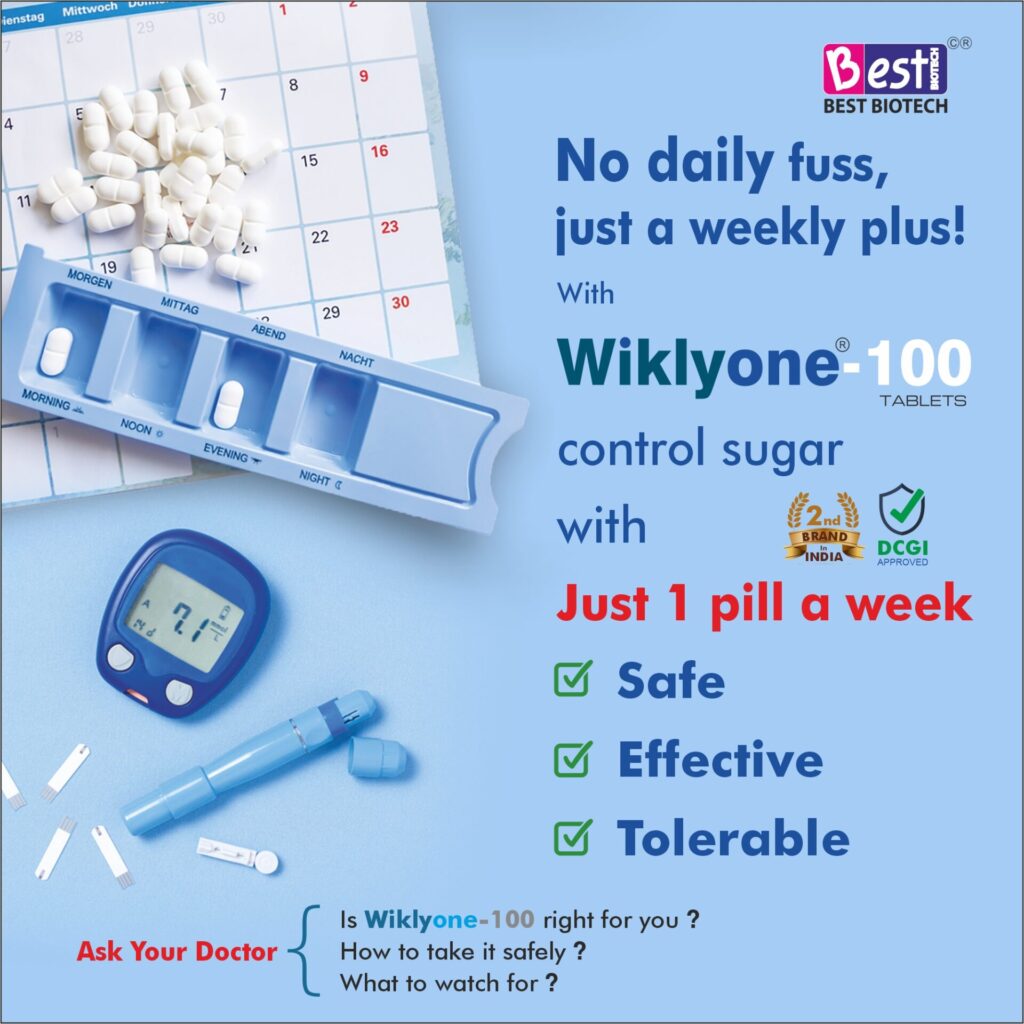
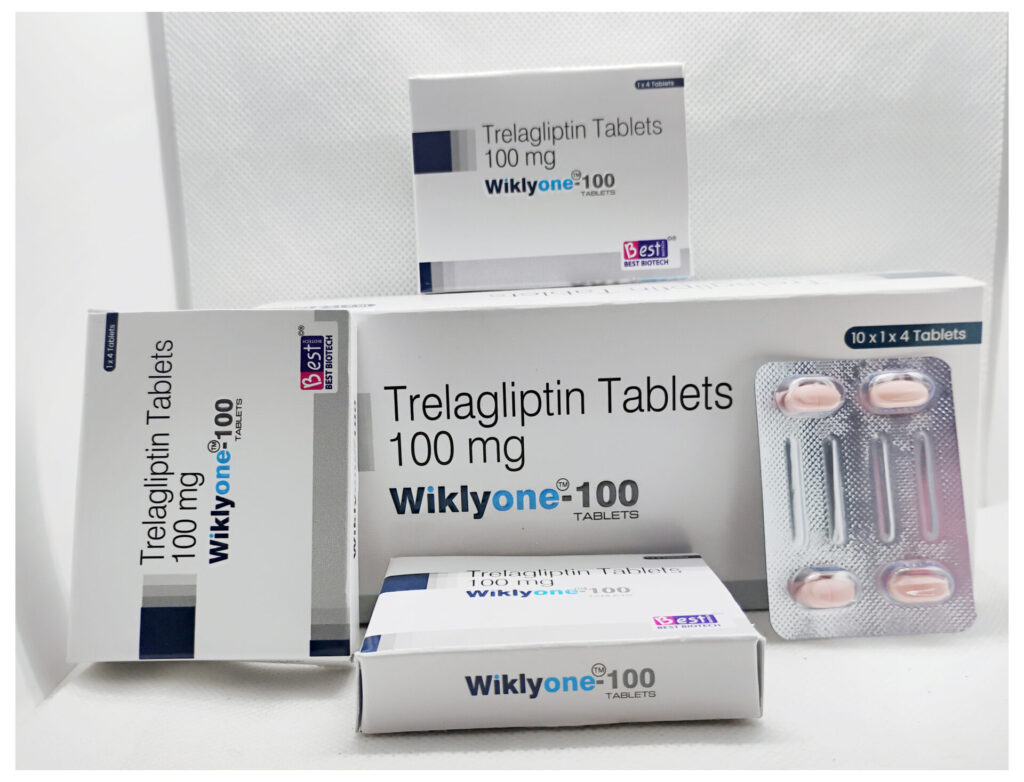
This multifaceted understanding of the diabetes burden highlights why innovative solutions must address both clinical efficacy and real-world practicality for diverse Indian populations. This is where a cost-effective and once-a-week dose of WIKLYONE (Trelagliptin) may help. It is available at a budget-friendly price of Rs. 594/- for a pack of 4 tablets, to be taken as 1 tablet once a week, and that’s all.
Efficacy Matters the Most!
Besides being pocket-friendly, the medicine is highly effective in managing Type 2 diabetes mellitus (T2DM) in Indian patients as claimed by a study on Trelagliptin’s effectiveness and safety in Indian patients. The study concludes that it has significantly reduced HbA1c, fasting and postprandial glucose levels, indicating effective glycemic control in T2DM patients amongst the Indian population. Regarding safety, no adverse events were reported in this phase 3 study, which speaks for itself. Furthermore, Trelagliptin’s effective control was non-inferior to the daily diabetes medicine, Vidagliptin, of the same anti-diabetic class. (Study)
Hence, WIKLYONE can be a safe, effective, and cost-effective solution that also addresses the challenge of ‘pill fatigue’ and remembering daily medicines in T2DM management.
The Adherence Gap: Why So Many Patients Struggle with Daily Pills?
The reality of diabetes management reveals a critical problem: the gap between prescribed treatment and actual medication-taking behaviour. Studies show that approximately 50-60% of people with chronic conditions like diabetes do not take their medications as prescribed. This adherence gap isn’t about patient negligence—it’s about human nature meeting complex treatment regimens.
The Human Factors Behind Missed Doses:
Forgetfulness in Daily Routines
Firstly, the demands of modern life—irregular work schedules, travel, family responsibilities—make consistent medication challenging. Research indicates that forgetfulness accounts for 30-50% of non-adherence cases, particularly for medications requiring multiple daily doses.
Economic Pressures
Secondly, when families face financial constraints, medication often becomes an adjustable expense. A study published in the International Journal of Diabetes in Developing Countries found that medication costs contributed to 42% of diabetes treatment non-adherence in Indian populations, with patients sometimes rationing or skipping doses to make prescriptions last longer.
Treatment Complexity
Many patients with type 2 diabetes require multiple medications targeting different aspects of glucose control. So, the mental burden of managing this pharmaceutical cocktail—remembering which pill to take when, with or without food, and potential interactions—creates what researchers call “treatment burden,” leading to intentional non-adherence.
Psychological Factors
Then, the silent, progressive nature of diabetes means patients don’t immediately feel the consequences of missed doses, unlike with pain medications or antibiotics. This “invisible benefit” phenomenon reduces the immediate reinforcement for adherence.
The Clinical Consequences:
This adherence gap has measurable clinical impacts. Studies demonstrate that poor medication adherence is associated with 20-30% higher HbA1c levels compared to adherent patients. Each 1% reduction in HbA1c is known to reduce diabetes-related complications by 21% for any endpoint, 21% for deaths related to diabetes, 14% for myocardial infarction, and 37% for microvascular complications.
The economic impact is equally significant. A study examining diabetes costs in India found that medication non-adherence leads to approximately 6.4% higher annual total healthcare costs per patient due to increased hospitalisations and complication management.
This adherence challenge isn’t a patient failure—it’s a treatment regimen failure. The solution requires addressing these human factors through innovative approaches that make consistent treatment more achievable.
Enter WIKLYONE (Trelagliptin): A Modern Approach with a Weekly Advantage for Indian Diabetics:
In the challenging landscape of diabetes management, WIKLYONE (Trelagliptin) emerges as a significant innovation that fundamentally rethinks treatment frequency. As a DPP-4 inhibitor in the same class as sitagliptin and vildagliptin, Trelagliptin shares their mechanism of action—increasing incretin levels to stimulate insulin release and reduce glucagon production—but with one transformative difference: its once-weekly dosing schedule.
The Science Behind Weekly Dosing
Trelagliptin’s extended duration of action stems from its unique pharmacokinetic profile. The medication has a half-life of approximately 54 hours, compared to just 12-16 hours for daily DPP-4 inhibitors. This prolonged presence in the bloodstream enables consistent DPP-4 enzyme inhibition throughout the week with just a single dose.
Clinical pharmacology studies demonstrate that Trelagliptin achieves >80% DPP-4 inhibition within 2 hours after administration and maintains >70% inhibition at 168 hours post-dose. This sustained pharmacological activity translates to continuous glycemic control without the daily peaks and troughs associated with shorter-acting agents.
Trelagliptin’s Positioning in the DPP-4 Inhibitor Class
While all DPP-4 inhibitors work through the same mechanism, Trelagliptin’s weekly administration offers a distinct advantage in real-world practice. The Japanese Pharmaceutical and Medical Devices Agency (PMDA) first approved Trelagliptin in 2015, followed by approvals in multiple countries. Its established efficacy and safety profile, combined with the adherence benefits of reduced dosing frequency, positions it as a valuable addition to India’s anti-diabetes arsenal.
This weekly approach represents more than just convenience—it’s a fundamental shift in how we conceptualise chronic disease management, moving from daily reminders of illness toward sustainable long-term control.
How a Single Weekly Pill Can Lighten the Load of Diabetes?
How Well Does WIKLYONE Work for the Patient?
Reduces “Pill Fatigue”
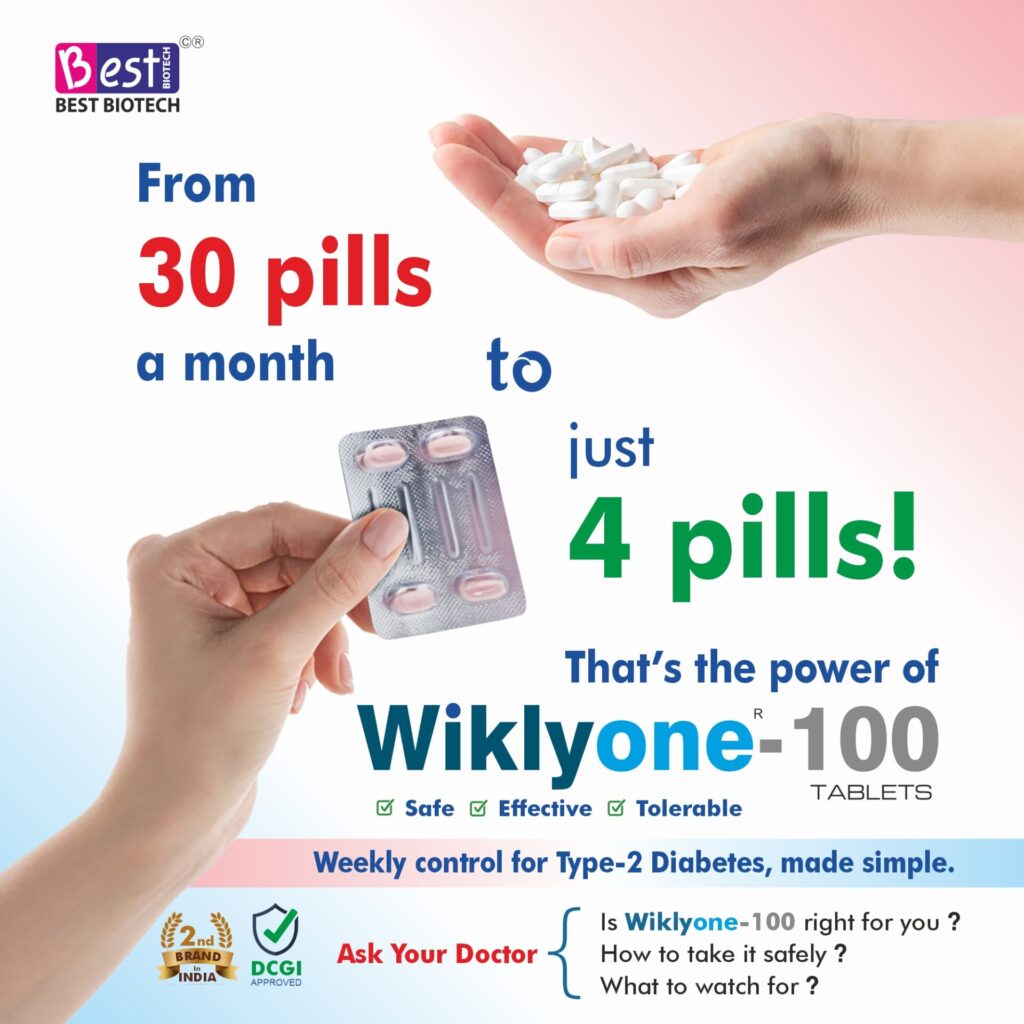
The psychological burden of daily medication is substantial. Patients managing diabetes often take multiple medications, creating what researchers term “pill burden.” So, switching one of these to a weekly regimen can reduce annual pill counts by 364 doses for that medication alone, significantly decreasing the mental energy devoted to disease management.
Simplifies Complex Lives
For India’s diverse population—from daily wage workers with unpredictable schedules to frequent travellers and elderly patients managing multiple conditions—the weekly regimen offers practical advantages. A study on medication adherence patterns found that simplifying dosing frequency can improve adherence rates by 15-25%, particularly benefiting those with literacy challenges or cognitive decline.
For many, designating Sunday as their weekly “pill day” for WIKLYONE offers a simple and memorable routine. Professions with standard Sunday holidays—such as teachers, government officials, banking professionals and many more—can seamlessly integrate taking their medication into a relaxed morning ritual, significantly reducing the chance of forgetfulness.
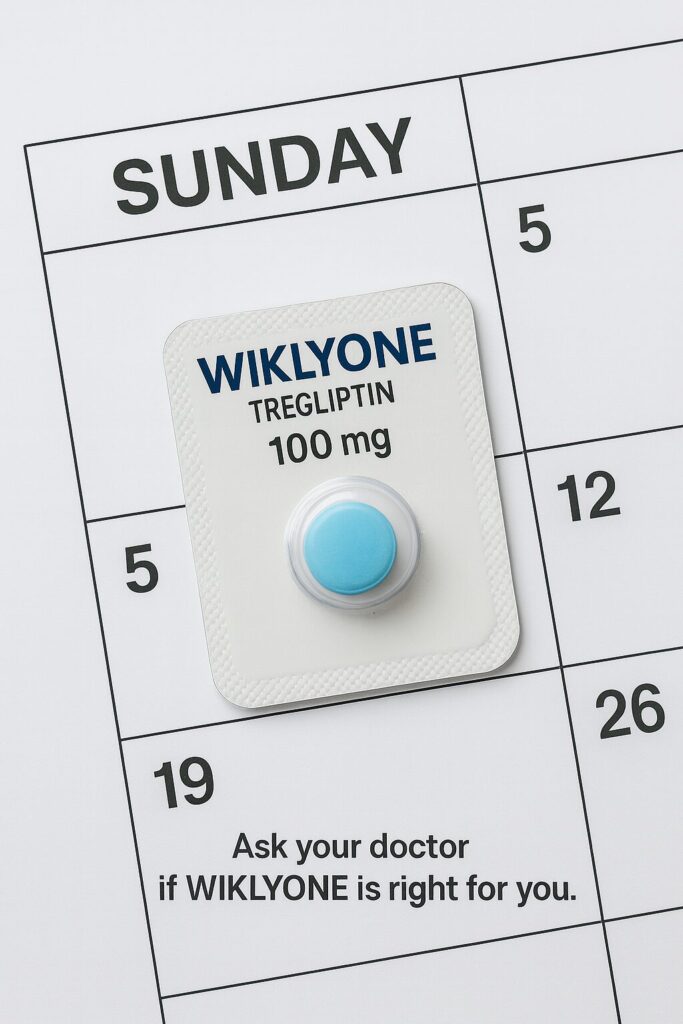
For those with non-traditional work weeks, the flexibility remains to choose any other day that best fits their schedule, be it a weekday off or a less hectic day.
However, it is crucial to discuss the entire treatment schedule, including dosing and medicine choice, with a doctor. While Trelagliptin may be a suitable and convenient option for a diabetic patient who requires a DPP-4 inhibitor, it is not a one-size-fits-all solution and is not appropriate for someone whose condition necessitates a different class of medication.
Always consult your physician to determine the most effective and safe treatment plan for your specific health needs.
Enhances Psychological Well-being
Qualitative research reveals that patients on weekly medications report feeling less “sick” and more in control of their lives. The reduction from 365 (or even more for some) to 52 dosing events annually transforms the patient experience from constant disease reminder to manageable maintenance, potentially improving overall treatment satisfaction and quality of life.
How WIKLYONE can Help the Prescriber?
Addresses the Primary Cause of Treatment Failure
With studies consistently showing that simplifying dosing regimens directly improves adherence, Trelagliptin offers clinicians a tangible tool to combat the primary reason for suboptimal glycemic control. Research indicates that once-weekly medications achieve adherence rates of 85-90% compared to 60-70% for once-daily regimens.
Provides Sustained Glycemic Control
The continuous DPP-4 inhibition translates to stable 24-hour glycemic control without significant fluctuations. Clinical trials demonstrate that Trelagliptin maintains consistent plasma drug concentrations throughout the dosing interval, resulting in sustained reduction of HbA1c levels by 0.7-1.0% as monotherapy and additional benefits when combined with other agents.
Enables Personalised Treatment Strategies
Trelagliptin serves as an optimal choice for identified non-adherers, patients expressing pill fatigue, or those with lifestyles incompatible with strict daily scheduling. It particularly benefits elderly patients with polypharmacy, working professionals with irregular routines, and visually impaired patients who struggle with complex medication regimens.
The Cost-Effectiveness Equation: Is Weekly Therapy Affordable?
For many patients in India, the fear of high medical costs is a constant companion. Reports indicate that the average diabetic patient can spend between ₹2,000 and ₹5,000 every month on medicines, a heavy burden for middle-class families.
When patients see the price of a single Trelagliptin tablet, they might initially be taken aback. However, a deeper look at the cost structure reveals a different story. Patients on Trelagliptin spend nearly Rs. 594/- per month for the medicine compared to nearly ₹2000 to ₹5000 for a month with other medicines. This is a significant difference that not only addresses diabetes burden but also the financial burden on many struggling to make both ends meet.
Indian households have a wide economic disparity. Innovative and cost-effective treatments, like WIKLYONE can help such families manage chronic conditions like T2DM without compromising other necessities.
Value Beyond the Price Tag: The True Cost of Non-Adherence
The real financial risk in diabetes is not just the cost of medication, but the astronomical cost of complications resulting from poorly controlled blood sugar. When patients struggle with daily pill fatigue, missed doses become common, leading to uncontrolled HbA1c levels and a higher risk of expensive, life-altering complications such as heart disease, stroke, kidney failure, and blindness.
For the Patient:
WIKLYONE, at approximately ₹594 per month, offers a predictable and often lower cost compared to the cumulative price of many daily therapies. This simplicity can free up mental and financial resources, reducing the temptation to skip doses and ensuring more consistent protection.
For the Prescriber:
By choosing a once-weekly option that directly addresses the adherence challenge, you are investing in better long-term health outcomes for your patients. Improved adherence leads to more stable glycemic control, which can reduce the need for additional medications and lower the long-term risk and cost of managing diabetes complications. This makes WIKLYONE a clinically and economically sound choice for the right patient profile.
It is important to acknowledge that the Indian pharmaceutical market features significant price variations for anti-diabetic drugs, with a notable percentage of brands being sold above one’s affordability. In this context, the fairly priced WIKLYONE regimen offers transparency and consistency, ensuring patients know what to expect each month.
Clinical Evidence: What Does the Data Say?
A robust body of evidence, including a recent Phase 3 trial conducted across India, solidifies trelagliptin’s role in diabetes management. The data consistently shows that its once-weekly efficacy matches daily medications, offering control without compromise.
| Aspect | Trelagliptin (Once-Weekly) | Active Comparator (Daily DPP-4i) | Clinical Significance |
| HbA1c Reduction | -0.89% to -1.25% | -1.00% to -1.15% (Vildagliptin) | Non-inferior efficacy; provides equivalent long-term glucose control. |
| Target HbA1c <7% | 48.57% of patients | 47.57% of patients (Vildagliptin) | Comparable achievement of standard glycemic targets. |
| Safety & Tolerability | 6.67% adverse events (mild, resolved) | 9.17% adverse events (Vildagliptin) | Favourable safety profile; low risk of hypoglycemia and well-tolerated. |
| Vs. Sitagliptin | HbA1c: 7.41% (after switch) | HbA1c: 7.37% (before switch) | No significant difference in control when switching from daily Sitagliptin. |
What do the clinical efficacy and safety data mean for the diabetologist?
- Proven Non-Inferiority in Indian Patients: A 2025 multicenter, randomised, active-controlled trial involving 240 patients across 10 sites in India directly compared once-weekly trelagliptin (100 mg) with twice-daily vildagliptin (50 mg). After 16 weeks, the reduction in HbA1c was nearly identical (-0.89% vs. -1.00%), formally establishing trelagliptin’s non-inferiority. This is crucial evidence for its application in the Indian demographic.
- Sustained Efficacy and Potency: Trelagliptin is not just a prolonged-release version of other drugs. It is a fluorinated derivative of alogliptin, designed for enhanced potency. Studies indicate it has approximately 4-fold greater potency than alogliptin and 12-fold greater than sitagliptin. Its long half-life (around 54 hours) enables sustained DPP-4 inhibition of over 70% even at the end of the weekly dosing interval, ensuring continuous glycemic control.
- Favourable Safety Profile Reconfirmed: In the Indian Phase 3 trial, adverse events were less frequent with trelagliptin (6.67%) than with vildagliptin (9.17%), and all were mild and resolved without lasting effects. A 2022 meta-analysis of six randomised controlled trials further concluded that trelagliptin’s safety and tolerability are comparable to both placebo and other daily DPP-4 inhibitors.
What does this mean for a Diabetic in India?
In simple terms, the scientific data translates to three key benefits for you:
- Firstly, it’s Proven to Work: Weekly WIKLYONE is just as effective as taking a pill every day for controlling your average blood sugar levels. You don’t have to sacrifice effectiveness for convenience.
- Secondly, it’s Safe: Clinical studies have shown that WIKLYONE has a good safety profile.
- Finally, the Science is Strong: This isn’t an experimental idea. The once-weekly formula is based on robust medical science and has been proven in studies specifically involving Indian patients, making it a reliable modern treatment option.
This strong clinical evidence positions WIKLYONE as a significant tool to address the adherence challenge in diabetes care. By providing a weekly regimen that is as effective and safe as daily alternatives, it empowers both prescribers and patients to achieve better long-term health outcomes.
WIKLYONE’s Role in the Larger Diabetes Treatment Landscape
WIKLYONE (Trelagliptin) does not replace fundamental diabetes treatments but rather offers a strategic alternative within the established arsenal. However, its position is specifically tailored to address the critical challenge of adherence that undermines many effective therapies.
A Complementary Tool, Not a Replacement:
In the step-wise approach to type 2 diabetes management, metformin (Getmet-500, Getmet-OD-500, etc.) remains the foundational first-line medication. WIKLYONE finds its primary role as an add-on therapy when metformin alone is insufficient to achieve glycemic targets. Additionally, for patients intolerant to metformin, it can also serve as an effective monotherapy. Its value is most apparent when a DPP-4 inhibitor is indicated, but the practicality of a daily regimen is a concern.
The Ideal Patient Profile for WIKLYONE:
This once-weekly DPP-4 inhibitor, WIKLYONE is particularly well-suited for specific patient segments where adherence is a known challenge:
- The “Forgetful” Patient: Firstly, WIKLYONE is suitable for individuals who consistently miss daily doses despite education, the weekly regimen simplifies the routine and builds a more reliable habit.
- The “Pill-Fatigued” Patient: Secondly, people managing multiple chronic conditions and a high daily pill burden can benefit from reducing one daily medication to a weekly one with WIKLYONE, lightening the psychological as well as the pill load.
- Patients with Complex Lifestyles: Next, busy professionals, frequent travellers, and those with irregular schedules find the weekly dose easier to integrate and remember.
- The Elderly: Then, older patients, especially those with mild cognitive impairment or managing polypharmacy, benefit from a less complex medication schedule.
- Patients who want cost-effective diabetes medicine: Finally, patients who skip medicine for the prescription to last longer can benefit from spending less on weekly medicine than daily pills.
For prescribers, WIKLYONE is a tool for personalised medicine. It allows for a treatment plan that acknowledges not just the clinical metrics but also the patient’s lifestyle and psychological relationship with their disease, besides the cost factor.
So, by offering this option to the right patient, physicians can pre-emptively tackle adherence issues, leading to more sustained glycemic control and better long-term outcomes. It is a clear choice for when the goal is to make effective treatment more sustainable for the long journey of diabetes management, just what Best Biotech strives to achieve in the healthcare sector.
For WIKLYONE queries and to partner with us for making it accessible across India and other countries, contact our pharma PCD helpdesk. Pharma franchisee offers are available for WIKLYONE in unrepresented districts.

Related Posts:
- TRELAGLIPTIN 100 MG – WIKLYONE-100 TABLET
- WIKLYONE: Life-Changing First-of-its Kind Diabetes Medicine
- Pharma Franchise & PCD Opportunity: Market WIKLYONE, the Future of Diabetes Management
- Once a Week Medicine for Diabetes: WIKLYONE (Trelagliptin): How it Works?
- The True Monthly Cost of Diabetes Pills: Is Your Daily Regimen Costing You More?
3 Responses